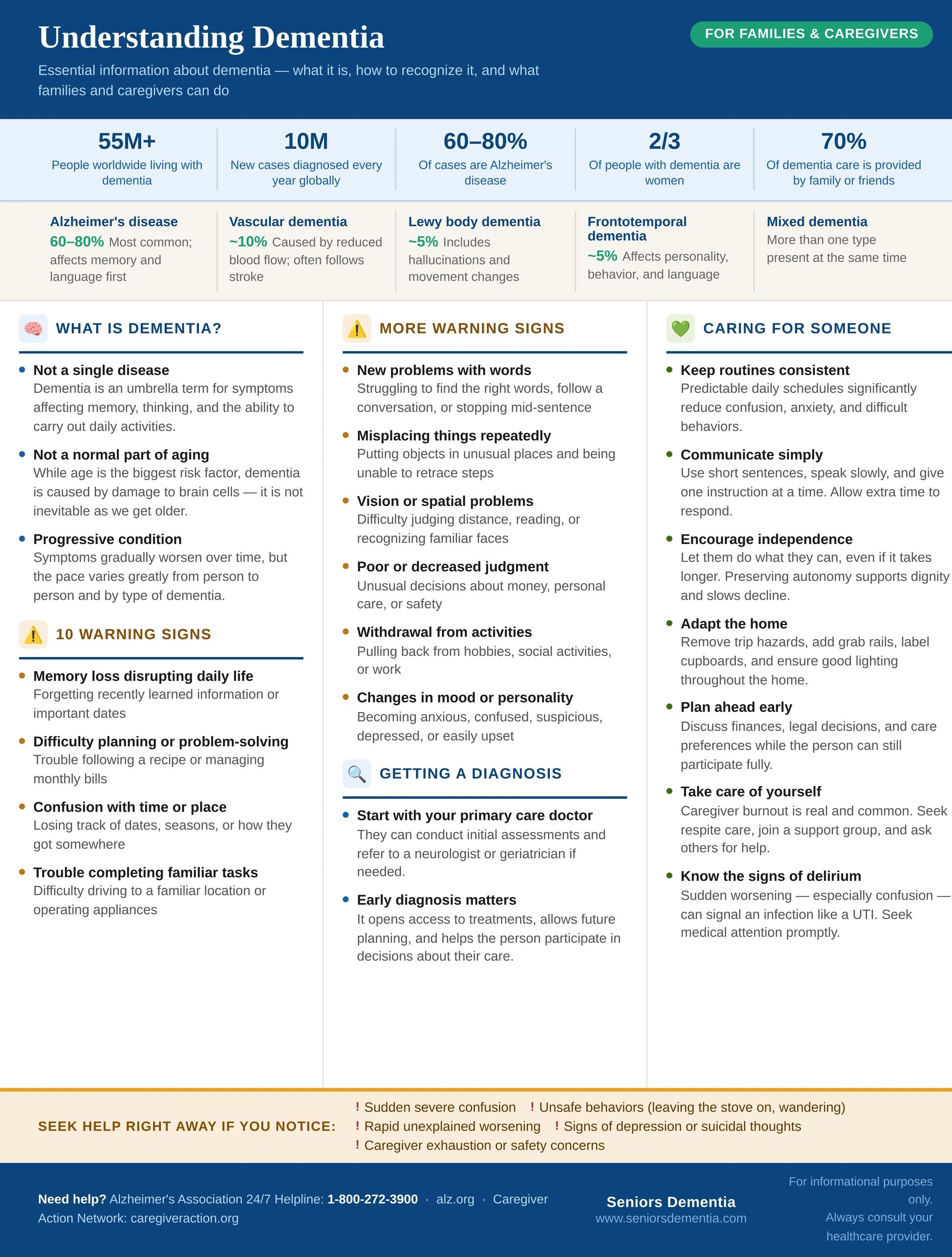
Understanding Dementia
What dementia is, the main types, the 10 warning signs, how to get a diagnosis, and how to care for someone.
Clear information about dementia, support for the people who care, and care kits that bring comfort, memory support and connection.
Dementia is a condition that affects memory, thinking, behavior, and communication. It can make everyday tasks difficult and often impacts both the person living with dementia and their loved ones. Alzheimer's disease is the most common type of dementia, but there are many other forms as well.
Forgetting recently learned information or important dates.
Trouble following a recipe or keeping track of monthly bills.
Difficulty driving to a familiar place or using everyday appliances.
Losing track of dates, seasons, or how they got somewhere.
Difficulty judging distance, reading, or recognizing familiar faces.
Struggling to find the right words or follow a conversation.
Putting objects in unusual places and being unable to retrace steps.
Unusual decisions about money, personal care, or safety.
Pulling back from hobbies, social activities, or work.
Becoming anxious, confused, suspicious, depressed, or easily upset.
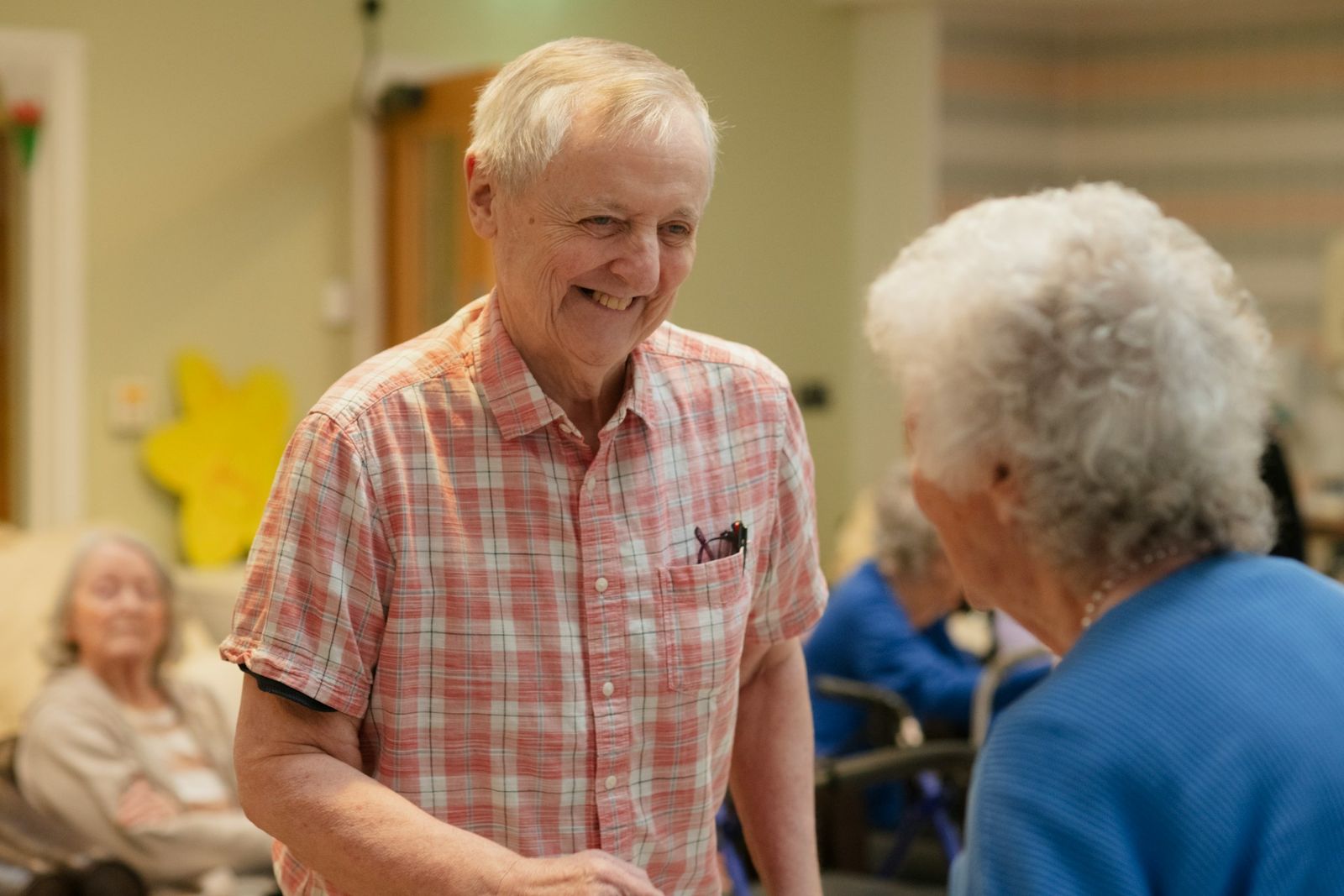
Caregiving can be emotionally and physically exhausting. Many caregivers experience stress, burnout, and lack of sleep. Take breaks, ask for support, and care for your own mental health as well.
More support: alz.org · Caregiver Action Network
Two one-page guides for families and caregivers. Hang them on the fridge, bring them to a care home, or share them with someone who needs them.
What dementia is, the main types, the 10 warning signs, how to get a diagnosis, and how to care for someone.
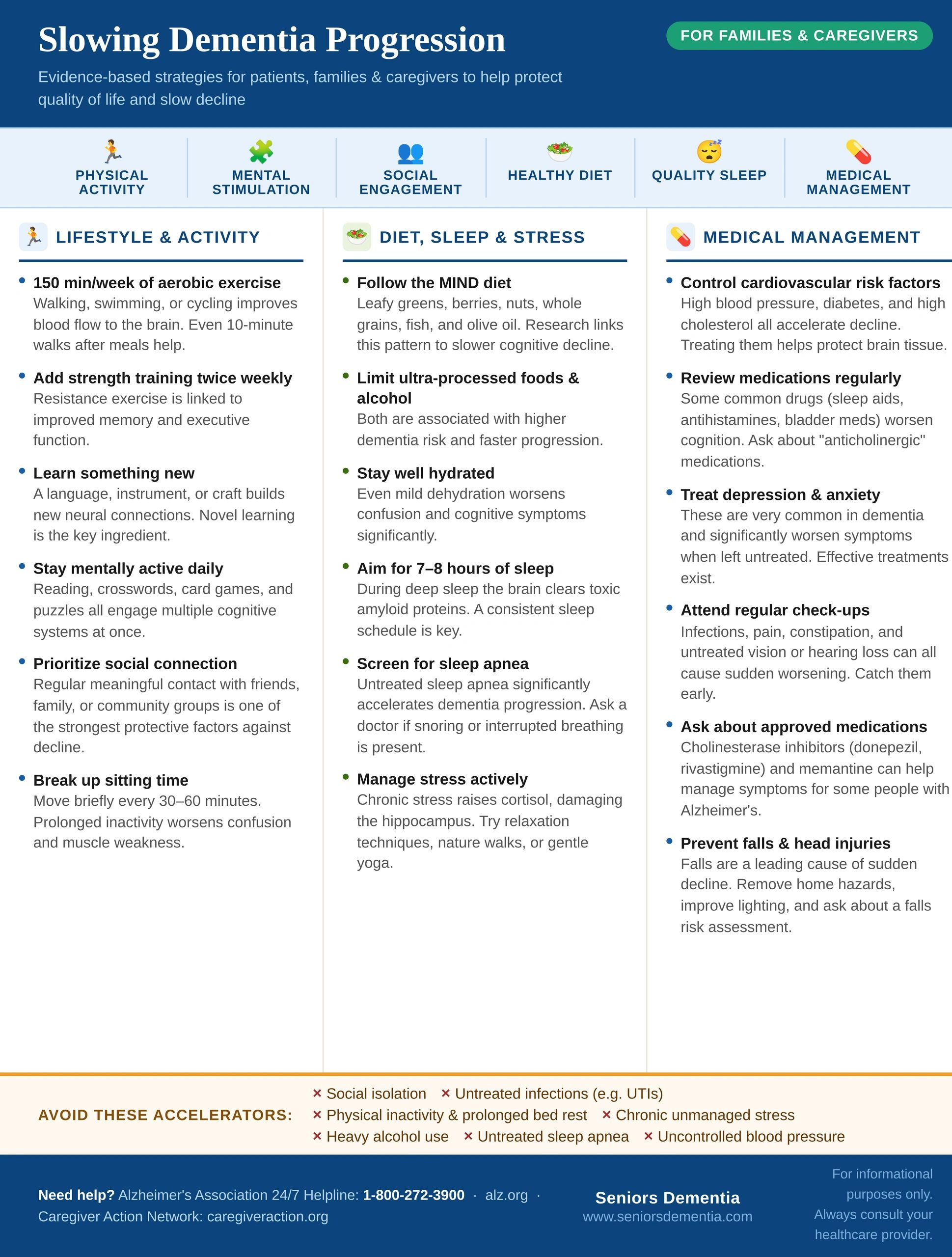
Everyday steps that support brain health: activity, the MIND diet, sleep, stress, and medical care.
We put together care kits for seniors living with dementia, made to bring comfort, memory support, and emotional connection. If you'd like one for yourself or someone you care for, let us know.
Serving Orange County, CA